
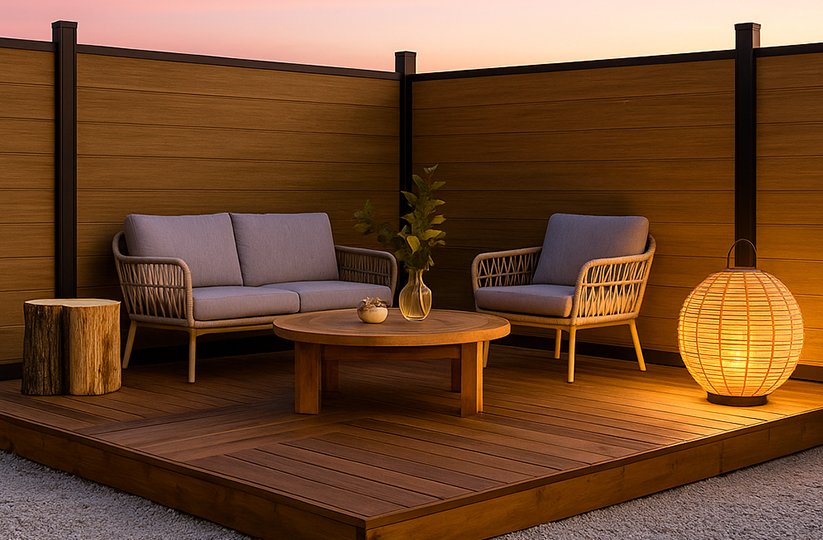
If you are tired of repainting, repairing, and replacing old wood fences, composite fencing is probably already on your radar. It has become one of the most popular choices for modern homes and commercial properties because it looks like wood, lasts like a champ, and requires far less maintenance than traditional materials. Whether you are a homeowner upgrading your backyard, a contractor planning multiple jobs, or a property manager looking for a long-term solution, understanding composite fencing can save you time, money, and headaches.
In this guide, we will walk through what composite fencing is, how it compares to wood and vinyl, its main benefits, common styles, basic installation points, maintenance tips, and what to expect in terms of cost and lifespan. By the end, you will have a clear, practical picture of whether composite fence panels are the right choice for your property.
What Is Composite Fencing?
Composite fencing is made from a blend of wood fibers and recycled plastics that are combined, molded, and finished to create fence boards and posts. The result is a material that mimics the look and warmth of natural wood, but with the durability and weather resistance of modern engineered products. The wood content gives the boards a realistic grain and texture, while the plastic content protects them from moisture, rot, and insects.
Most composite fence panels are co-extruded, which means they have a core material and a protective outer “cap.” This cap layer is designed to resist fading, staining, and scratching better than traditional painted wood surfaces. Many manufacturers also use recycled content, which makes composite fencing an attractive option for eco-conscious buyers who want a greener, lower-waste solution without sacrificing style.
Composite Fencing vs Wood and Vinyl
If you are deciding between composite fencing, wood, and vinyl, it helps to understand where each material shines and where it falls short. Wood is often the lowest upfront cost, and it has a classic, timeless look. However, wood is vulnerable to rot, warping, insects, and weather damage. It typically requires regular staining or painting, and, over time, the cost of maintenance and repairs can add up far beyond the original price.
Vinyl fencing is another low-maintenance choice, but it often lacks the rich, natural appearance of wood. It can also become brittle in very cold climates and may show cracks or damage from impact. Plus, some vinyl styles look “plastic” up close, which can clash with higher-end landscapes and architectural styles.
Composite fencing sits comfortably between these options. It offers a realistic wood-inspired look, a solid and sturdy feel, and significantly less maintenance than wood. Compared to vinyl, it usually appears more upscale and substantial. While composite fence panels often cost more upfront than basic wood, many homeowners and contractors see the long-term value in lower maintenance, better durability, and longer life expectancy.
Key Benefits of Composite Fence Panels
One of the biggest reasons people switch to composite fencing is the long list of practical benefits it provides. Durability is at the top of that list. Composite fence boards do not rot, do not attract termites, and are designed to handle all kinds of weather, from intense sun and heavy rain to snow and humidity. You do not have to worry about boards twisting, cupping, or splitting the way natural lumber can.
Low maintenance is another major advantage. With composite, there is no need for annual sanding, staining, or painting. Most of the time, a simple rinse with a garden hose and occasional soapy water is all it takes to keep the fence looking clean. This saves not just money, but also weekends of labor that would otherwise be spent maintaining a traditional fence.
Composite fencing also offers strong privacy. Many designs are full-privacy panels with no gaps between boards, which means you can enjoy a more secluded backyard, shield your property from wind, and reduce visibility from neighbors or streets. For homeowners with pets or children, this sense of security feels especially important.
Aesthetic consistency is another plus. Because composite fence boards are manufactured, you get a uniform color and grain pattern across the entire fence line, without odd knots, defects, or warped boards. Many brands offer modern color options such as walnut, light gray, charcoal, and black, so it is easy to match contemporary homes, patios, and outdoor furniture.
Eco-Friendly and Sustainable Fencing Option
Many property owners want beautiful outdoor spaces without compromising on environmental responsibility. Composite fencing helps meet that goal. Most composite products use a mix of recycled plastics and reclaimed wood fibers that might otherwise end up in a landfill. By choosing composite fence panels, you are essentially supporting the reuse of materials and reducing demand for freshly harvested timber.
The long lifespan of composite fencing also contributes to its sustainability benefits. A fence that lasts decades without needing frequent replacement or heavy maintenance means fewer resources are used over the life of your property. When you factor in the reduced need for paints, stains, and harsh chemical treatments, composite fencing becomes even more attractive from a green building perspective.
Popular Styles and Design Options
One of the most exciting parts of choosing composite fencing is exploring the design options. Composite fence systems are available in a variety of styles, from sleek horizontal slats to classic vertical boards. Horizontal composite fences are extremely popular in modern and contemporary designs because they create a clean, linear look that pairs well with minimalist landscaping, outdoor living rooms, and modern architecture.
You can also find composite fences that mimic traditional wood picket styles or board-on-board privacy fences. Colors range from warm wood tones like walnut and cedar to cool neutrals such as light gray and deep charcoal. Some systems mix composite boards with aluminum posts or frames, combining the warmth of wood-look boards with the crisp lines and strength of metal.
Matching composite fence gates are another key design element. Composite gate kits are typically available in single-door and double-door options, allowing you to create coordinated entry points for walkways, driveways, and side yards. Choosing a gate that matches the panels gives the entire fence line a polished, professional look, rather than a patched-together appearance.
Where Composite Fencing Works Best
Composite fencing is incredibly versatile and fits well in many settings. In residential projects, it is often used for backyard privacy, pool enclosures, side yard partitions, and boundary lines between neighboring properties. The full-height privacy style is perfect for creating a cozy outdoor living space around a patio, deck, or hot tub, where you want to block views and reduce noise.
In commercial and multi-family spaces, composite fencing can be used around apartment communities, townhomes, office complexes, and outdoor amenities such as dog parks, playgrounds, and barbeque areas. Because composite fences maintain their appearance for years with minimal upkeep, they are especially appealing to property managers who need to keep large sites looking neat without constant maintenance work.
Composite fences also work well in challenging climates. In areas with high humidity, heavy rain, or intense sun exposure, traditional wood fences can look worn out quickly. Composite fence panels are engineered to resist moisture, fading, and warping, making them a smarter long-term investment in these conditions.
Installation Basics: What to Expect
While every brand and system is slightly different, the basic structure of composite fencing is similar. You will have posts, rails, and boards or panels that fit together according to the manufacturer’s instructions. Some systems use individual boards that slide into channels, while others use pre-assembled panels that attach between posts.
Many homeowners choose to hire a professional installer to ensure the fence line is straight, level, and properly anchored. This is especially important on sloped ground, around corners, and near gates, where precise measurements matter for functionality and appearance. A professional installer will also handle digging post holes to the correct depth, setting posts in concrete, and making sure the fence meets any local codes or neighborhood guidelines.
That said, some DIY-friendly composite fence systems are available for those who are comfortable with tools and project planning. If you are considering a DIY installation, pay close attention to the manufacturer’s installation guide, double-check measurements, and make sure you have the right hardware, posts, and footing depth for your soil and climate conditions.
Maintenance and Cleaning Tips
One of the most attractive parts of composite fencing is that maintenance is simple. There is no need for sanding, staining, or painting year after year. Instead, routine cleaning is usually enough to keep the fence looking fresh. For light dirt and dust, a quick rinse with a garden hose is often all you need.
If you notice heavier buildup from pollen, soil, or air pollution, a bucket of warm water with a mild dish soap, a soft brush, and some gentle scrubbing will do the job. Rinse thoroughly so no soap residue remains. Avoid using harsh chemicals, steel wool, or extremely high-pressure washers, as these can damage the protective surface on some composite products.
In shaded or damp areas where mildew might appear, you can use a gentle cleaner approved by the fence manufacturer. Always test cleaners on a small, inconspicuous area first. With basic care and common sense, your composite fence can maintain its color and finish for many years without the constant chores that come with wood.
Cost, Lifespan, and Long-Term Value
It is true that composite fencing usually costs more upfront than basic wood fences. However, the real comparison should include the total cost over the fence’s lifetime. Wood fences often require repeated staining or painting, plus repairs and replacements of damaged boards or posts. These ongoing expenses and the time invested in maintenance add up.
Composite fence panels are designed for long-term performance. You are investing in a fence that does not rot, does not attract termites, and does not require frequent refinishing. Many composite fencing systems come with warranties that can range from 10 years to 25 years or more, depending on the brand and product line. When you spread the cost over that many years of service, composite fencing typically offers excellent value.
In addition to direct savings, there is also the visual value and property appeal. A well-designed composite fence can boost curb appeal, give outdoor spaces a more luxurious feel, and help support property value. For contractors and developers, installing composite fencing can be a strong selling point when marketing new homes or communities to potential buyers who want low-maintenance living.
Is Composite Fencing Right for Your Property?
Deciding if composite fencing is right for you comes down to your priorities. If you are looking for the lowest possible upfront price and do not mind regular maintenance, a basic wood fence may still be an option. But if you care about a clean, modern look, long-term durability, low maintenance, and strong privacy, composite fence panels are hard to beat.
Composite fencing works especially well if you want a fence that will still look attractive many years from now without endless upkeep. It is ideal for busy homeowners, rental properties, and large commercial or multi-family sites where maintenance time and labor are limited.
When you are ready to move forward, take measurements of your property, think about your preferred color and style, and compare a few composite fence systems. Talk with a local fence professional or supplier about your climate, soil, layout, and budget. With the right planning, composite fencing can transform your outdoor space into a stylish, private, and long-lasting retreat.