
Introduction to Composite Fencing
Modern fencing systems serve many purposes beyond simply marking property boundaries. A fence enhances privacy, improves security, and adds aesthetic value to any property. It also contributes to increasing long-term property value by improving the overall appearance of outdoor spaces. In recent years, composite fence solutions have become increasingly popular in both residential and commercial sectors. Property owners are moving away from traditional wood fence options and adopting composite materials because they offer better durability, modern design, and minimal maintenance requirements.
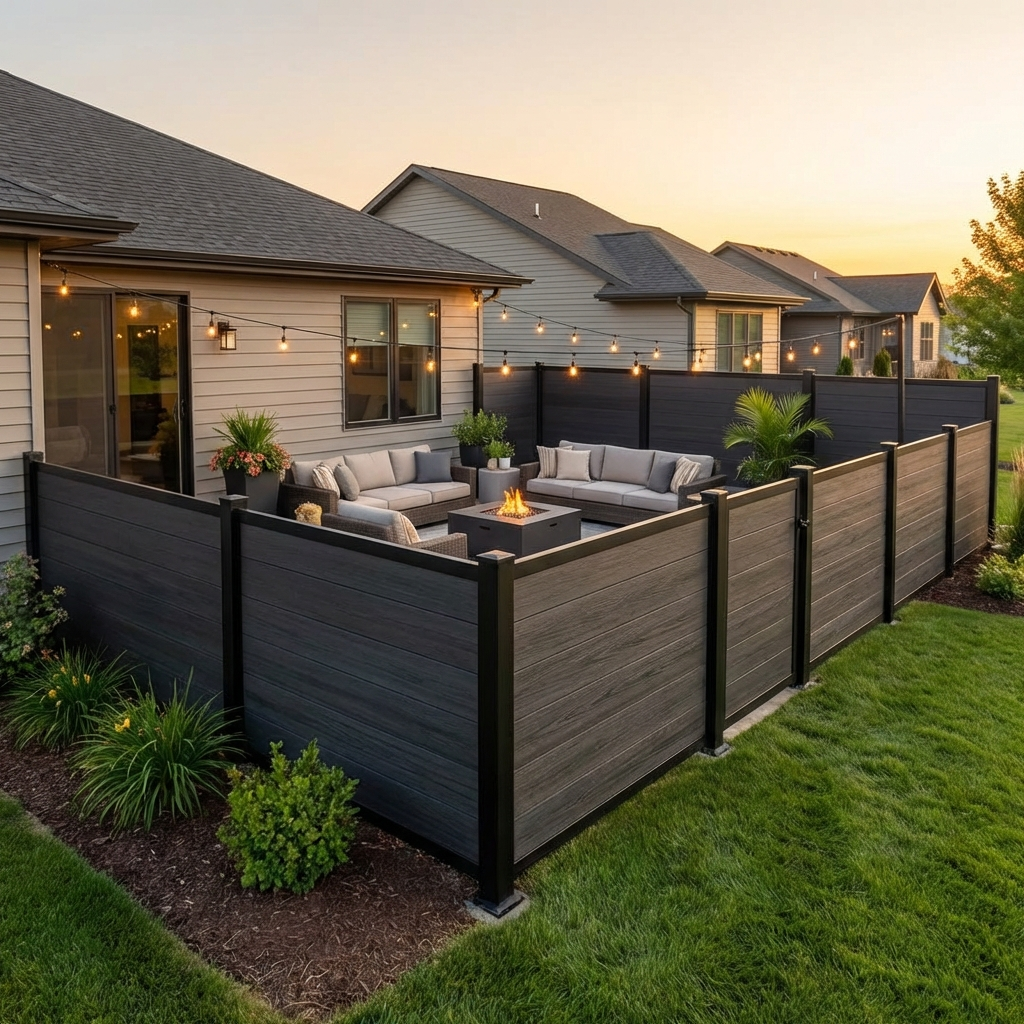
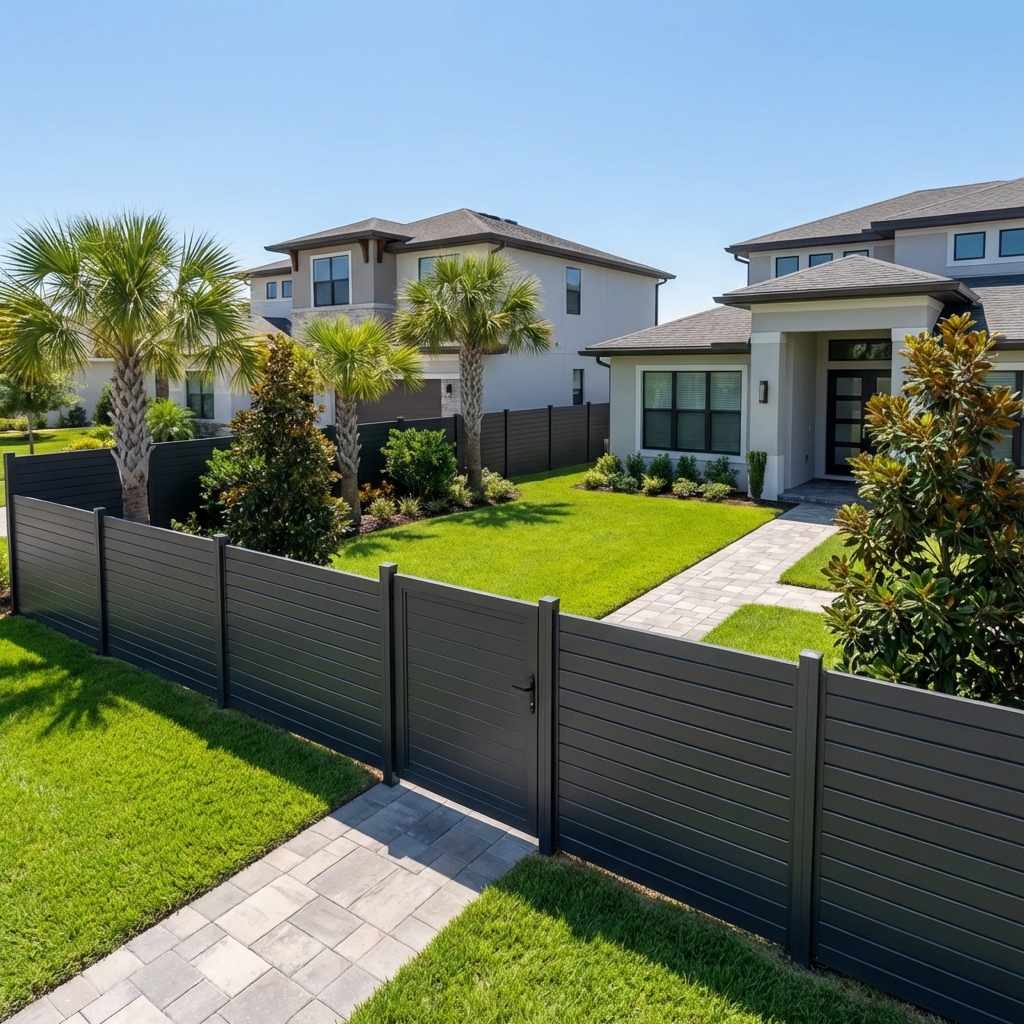
Composite fencing is now widely used in outdoor living spaces, including gardens, patios, and driveways. It integrates well with features like decking railing, driveway gates, and gate opening systems, creating a cohesive and modern exterior design. This shift reflects a broader trend toward engineered fencing solutions that offer long-term performance and reliability.
What Is Composite Fencing?
Composite fencing is a type of fencing made from a combination of recycled plastic and wood fibers. These composite materials are engineered to replicate the natural appearance of wood while eliminating many of its structural weaknesses. Manufacturers use advanced production methods to create composite fence boards with consistent shape, size, and finish.
Unlike traditional wood fence systems, composite fence panels do not absorb moisture easily. This prevents common issues such as rotting, swelling, and cracking. Composite fence systems also integrate well with fence posts made from steel and aluminum or galvanized steel, which further enhances structural strength and stability.
Many composite fence products are manufactured using up to 95 recycled materials, making them environmentally responsible. These materials often include recycled wood, recycled plastic, and other sustainable components sourced from post-consumer waste and industrial byproducts.
Materials Used in Composite Fencing
The performance and durability of composite fencing depend on the quality of materials used in its construction. The primary components include recycled plastic, wood fibers, and polymer binders. These materials are combined to form strong and durable composite materials that resist environmental damage.
Recycled plastic plays a crucial role in preventing moisture absorption. It protects the fence from water-related issues such as rot, mold, and warping. Wood fibers provide the natural texture and appearance that closely resembles traditional wood fence systems. Together, these materials create composite fence panels that offer both strength and aesthetic appeal.
Additional protective additives such as UV stabilizers are included to prevent fading caused by sunlight exposure. These additives help maintain the fence’s original color and finish over time. Composite fence systems are often paired with galvanized steel or steel and aluminum fence posts, which provide enhanced structural support and resistance to corrosion.
Many manufacturers that produce composite fencing also manufacture related products such as Trex composite decking and decking railing systems. These integrated outdoor living solutions provide consistent design and performance across multiple exterior applications.
Durability and Weather Resistance of Composite Fencing
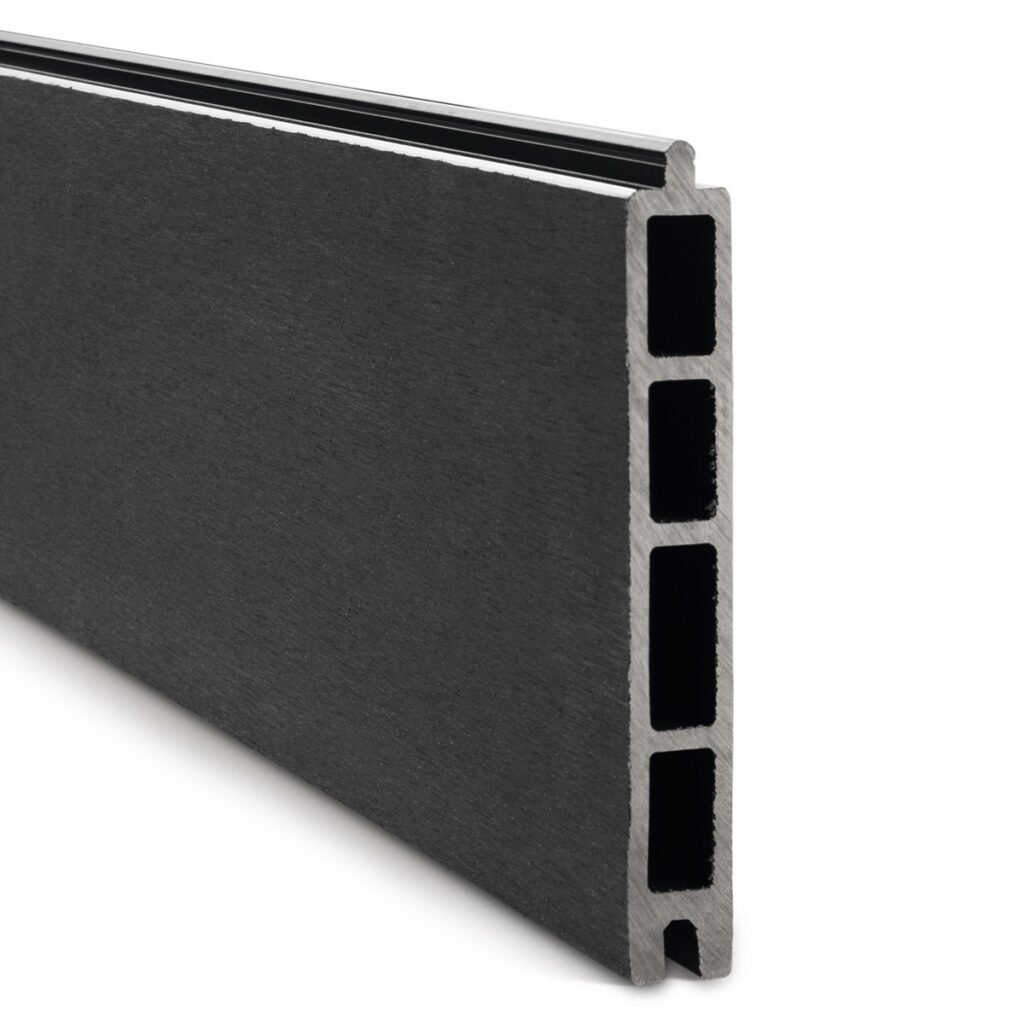
Composite fencing is designed to withstand harsh environmental conditions. Unlike traditional wood fence systems, composite fence materials do not deteriorate easily due to exposure to moisture, sunlight, or temperature changes. The engineered composition prevents cracking, splintering, and warping, which are common problems with natural wood.
Composite fencing performs well in areas exposed to heavy rain, humidity, or extreme heat. The inclusion of recycled plastic helps protect the internal structure from moisture penetration. Steel and aluminum or galvanized steel fence posts provide additional durability and structural integrity.
Composite fence systems also resist insect damage, which is a common issue with wood fence installations. This makes composite fencing a reliable long-term solution for both residential and commercial properties.
Whether installed around a home garden, apartment complex, or commercial facility, composite fencing maintains its strength and appearance in all weather conditions found across the earth crust and varying climates, including those in the United States and other regions.
How Composite Fencing Maintains Its Appearance Over Time
One of the key advantages of composite fencing is its ability to maintain a consistent appearance over time. Traditional wood fence systems often require frequent painting or staining to preserve their visual appeal. Exposure to sunlight and moisture can cause fading, discoloration, and uneven surface texture.
Composite fence panels are manufactured with color integrated throughout the material. This eliminates the need for regular painting or staining. The fence retains its original finish and appearance for many years with minimal maintenance.
Composite fencing integrates seamlessly with other outdoor living features such as decking railing, driveway gates, and gates and gates systems. This creates a unified and modern exterior design.
Manufacturers design composite fence products to complement modern architecture and landscaping trends, making them suitable for contemporary homes and commercial properties.
Environmental Benefits of Composite Fencing
Composite fencing offers significant environmental benefits. The use of recycled plastic and recycled wood fibers reduces the need for harvesting new raw materials. This helps conserve natural resources and reduces environmental impact.
Many composite fence products contain up to 95 recycled content, which helps reduce waste that would otherwise end up in landfills. This sustainable approach supports environmental conservation and responsible manufacturing practices.
Composite fencing also has a longer lifespan compared to wood fence systems. This reduces the need for frequent replacement, which further minimizes environmental impact. Manufacturers like Trex composite decking producers focus on sustainability by creating durable outdoor living solutions from recycled materials.
The use of composite materials helps reduce pressure on forests and supports eco-friendly construction practices.
Why Composite Fencing Is Replacing Wood Fencing
Composite fencing is replacing wood fence systems because it offers superior durability and lower maintenance requirements. Traditional wood fence installations require regular maintenance such as painting or staining, repairs, and eventual replacement.
Composite fence systems eliminate many of these maintenance tasks. They do not require frequent treatments to maintain their appearance or structural integrity. This reduces long-term maintenance costs and effort.
Composite fencing also integrates well with modern fence posts, chain link reinforcement systems, driveway gates, and gate opening mechanisms. This improves both functionality and security.
The long-term cost benefits of composite fencing make it a more economical choice. While the initial installation cost may be higher than wood fence systems, the reduced maintenance and longer lifespan result in better overall value.
Composite fence products are designed to provide consistent performance and appearance for decades.
Residential and Commercial Uses of Composite Fencing
Composite fencing is widely used in residential applications to create secure and attractive property boundaries. It enhances privacy while improving the visual appeal of outdoor living spaces. Homeowners often combine composite fence systems with decking railing, driveway gates, and garden features.
In commercial applications, composite fencing provides security and professional appearance for business properties. It is commonly used around office buildings, apartment complexes, industrial facilities, and public areas.
Composite fence systems can be installed alongside chain link fences, steel and aluminum structures, and galvanized steel posts for enhanced strength and security.
Composite fencing is also suitable for perimeter fencing, gate opening systems, and integrated gates and gates designs that provide controlled access and improved functionality.
Final Thoughts on Composite Fencing
Composite fencing represents a major advancement in fencing technology. It combines the natural appearance of wood with the durability and strength of engineered composite materials. The use of recycled plastic and recycled wood fibers makes composite fencing environmentally responsible and sustainable.
Composite fence products provide long-lasting performance, minimal maintenance, and modern aesthetic appeal. They integrate seamlessly with outdoor living features such as Trex composite decking, decking railing, driveway gates, and advanced gate opening systems.
Unlike traditional wood fence systems, composite fencing does not require regular painting or staining. It resists weather damage, moisture, insects, and structural deterioration.
As property owners continue to seek durable and sustainable fencing solutions, composite fence systems have become the preferred alternative to wood fence installations. Whether used in residential or commercial applications, composite fencing provides reliable performance, environmental benefits, and long-term value.
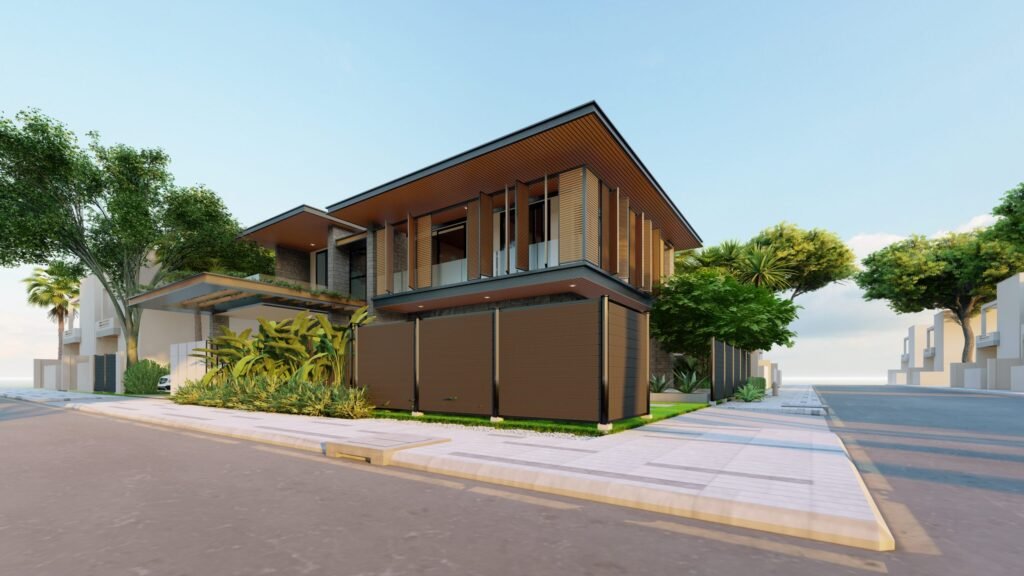
Composite fencing is truly a future-ready fencing solution designed to meet modern construction, sustainability, and outdoor living needs.