
-
Empty cart
No products in the cart.
Return to Shop
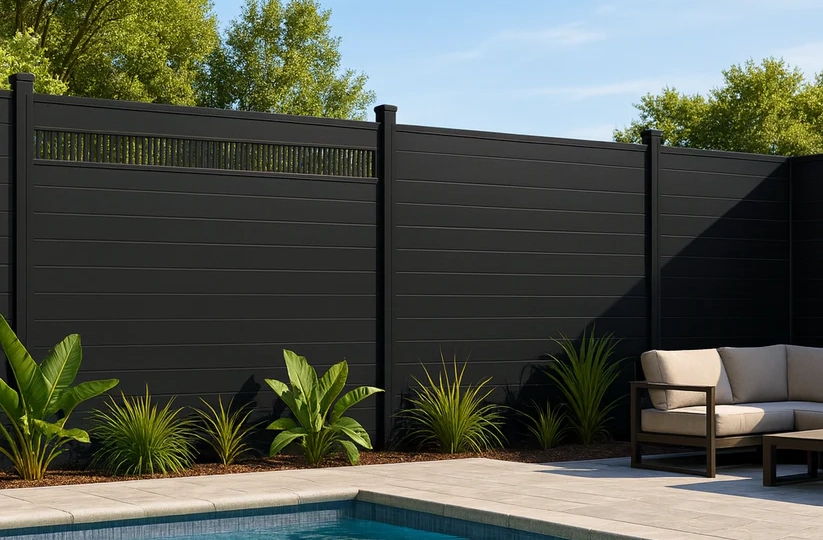
If you love the clean, minimalist look of a modern home, you already know how important the right fence is. A fence is no longer just a boundary line; it frames your outdoor space, protects your privacy, and sets the tone for your entire property. This is exactly why homeowners from Charlotte to Charleston are replacing old wood and flimsy metal with composite fencing.
Composite fence panels are designed to look like premium wood while delivering far better performance in the humid USA Carolina climate. They are strong, weather-resistant, and available in modern colors that match today’s architecture. In this guide, we’ll explore how composite fencing works and why it’s a smart investment for your North or South Carolina home.
WHAT IS COMPOSITE FENCING AND WHY DOES IT BEAT NATURAL WOOD?
Composite fencing is made from a high-performance blend of wood fibers and recycled plastics. This creates a material that looks and feels like real wood but is far more resistant to the moisture and insects common in the Carolinas. Many boards are co-extruded, meaning they have a protective outer shell that resists fading from the intense Southern sun.
For modern homes in NC and SC, this is a huge advantage. You get the warmth of wood without the constant battle against rot, splintering, and peeling paint. Because these panels are manufactured under controlled conditions, you get consistent color and crisp, straight lines across your entire property.
HOW COMPOSITE FENCING COMPLEMENTS MODERN CAROLINA ARCHITECTURE
Modern architecture is all about clean lines and practical materials. Composite fencing naturally supports this design language. Many systems offer sleek horizontal composite fence boards and bold neutral colors like charcoal, light gray, and black. These tones pair beautifully with the stucco, stone, and brick common in contemporary Carolina neighborhoods.
Full-privacy composite fence panels block views into your yard while maintaining a refined, upscale look. Instead of seeing warped boards or gaps, you get a straight, professional finish that frames your landscaping and highlights your outdoor living space.
STYLE CHOICES: MODERN COLORS AND CUSTOM LAYOUTS FOR THE SOUTHEAST
With composite fencing, you have more control over your home’s aesthetic than with traditional materials. You can choose wood-inspired tones like walnut or cedar for a natural look, or go with urban neutrals for a contemporary feel. Since the color is built into the material, it stays vibrant despite the USA Carolina humidity.
Homeowners seeking a modern edge often choose horizontal composite boards. These horizontal lines make a yard feel wider and more spacious, perfectly complementing the linear landscaping features found in modern Raleigh or Greenville estates.
DURABILITY THAT HANDLES THE INTENSE CAROLINA WEATHER
One of the biggest frustrations with wood fencing in the South is how quickly it breaks down. The high humidity and frequent rain cause wood to warp, crack, and rot. Composite fencing was specifically engineered to solve these problems.
Because composite fence boards contain recycled plastic, they do not absorb water. This means they won’t swell or attract mold—a common issue in coastal South Carolina. Additionally, the material is naturally resistant to termites and wood-boring insects, so you don’t need to apply harsh chemical treatments to keep your fence standing strong.
LOW-MAINTENANCE LIVING FOR BUSY NC AND SC HOMEOWNERS
Modern lifestyles are busy, and few homeowners want to spend their weekends sanding and staining a fence. Composite fencing offers a “set it and forget it” solution. You never have to worry about splinters or peeling paint around your family or pets.
Routine maintenance is simple: a quick rinse with a garden hose removes dust and pollen. For heavier buildup, a soft brush and mild soapy water are all you need. This makes it the ideal choice for anyone in the USA Carolina region who values a clean look without the constant upkeep.
LONG-TERM VALUE AND TOTAL COST OF OWNERSHIP IN THE CAROLINAS
While the upfront cost of composite fence panels is higher than basic pressure-treated pine, the total cost over time is much lower. Wood fences require repeated staining, sealing, and board replacements that add up quickly over 5 to 10 years.
Composite fencing is a long-term solution. Many systems come with 20 to 25-year warranties, ensuring your investment is protected. Furthermore, a high-quality fence boosts curb appeal and resale value, making your home stand out in competitive Carolina real estate markets.
DESIGN IDEAS FOR OUTDOOR LIVING WITH COMPOSITE FENCE PANELS
Composite materials offer endless design possibilities. Use them to frame a private lounge with a fire pit, or create an elegant barrier around a pool. In side yards, composite fencing is perfect for hiding AC units and trash bins to maintain the clean lines of your property.
For a custom look, you can pair horizontal composite boards with black aluminum posts or masonry walls. This “mixed material” approach is highly popular in modern Charlotte and Raleigh home designs, offering a high-end, tailored appearance.
CHOOSING THE BEST COMPOSITE FENCE SYSTEM FOR YOUR PROPERTY
Not all products are equal. When shopping for composite fencing in the Carolinas, look for “fully capped” boards that offer maximum protection against UV rays and moisture. Consider your home’s exterior—if you have black window frames, a charcoal composite fence will tie the look together perfectly.
It is also important to consider professional installation. An experienced Carolina fence contractor can ensure your posts are set to the correct depth to handle local soil conditions and wind loads, ensuring your fence stays straight for decades.
UPGRADE YOUR HOME WITH DURABLE COMPOSITE FENCING TODAY
Composite fencing has become the gold standard for modern homes because it combines style, durability, and long-term value. It provides the privacy you need and the low-maintenance performance that fits a busy Carolina lifestyle.
Instead of worrying about rot and repairs, you can enjoy a beautiful backyard year after year. Whether you are updating a small side yard or planning a full property makeover, composite fence panels are the smartest investment for your home.