
-
Empty cart
No products in the cart.
Return to Shop
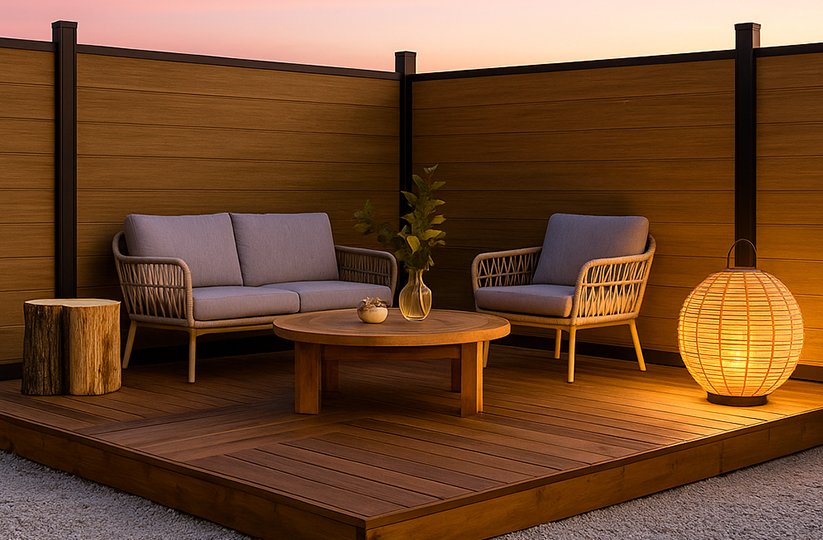
If you are tired of repainting, repairing, and replacing old wood fences in the humid Carolina climate, composite fencing is likely on your radar. It has become a premier choice for modern homes in cities from Charlotte and Raleigh to Charleston and Columbia. Because it mimics the warmth of natural wood but offers the durability of an engineered product, it is ideal for the USA Carolina region. Whether you are a homeowner upgrading your backyard, a contractor planning multiple jobs, or a property manager seeking a long-term solution, understanding composite fencing can save you time, money, and headaches.
In this guide, we will explore what composite fencing is, how it handles the Southeast weather, its main benefits, common styles, and maintenance tips. By the end, you will have a clear picture of why composite fence panels are a top-tier choice for your property.
What Is Composite Fencing and How Is It Made?
Composite fencing is engineered from a high-quality blend of wood fibers and recycled plastics. These materials are molded and finished to create high-performance fence boards and posts. The result is a product that offers the texture of natural timber with the weather resistance of modern synthetics. The wood content provides a realistic grain, while the plastic components shield the fence from the moisture and rot common in North and South Carolina.
Most premium composite fence panels are co-extruded, featuring a solid core and a protective outer “cap.” This cap layer is specifically designed to resist fading from the intense Carolina sun, as well as staining and scratching. Many manufacturers prioritize sustainability by using recycled content, making this a green, low-waste solution for eco-conscious buyers in the USA Carolina market.
Composite Fencing vs Wood and Vinyl in the Carolina Climate
When choosing between composite fencing vs. wood vs. vinyl, local environmental factors matter. Traditional wood is often the cheapest upfront but is highly vulnerable to the humidity, termites, and wood rot found in the Carolinas. It requires constant staining and painting to prevent warping.
Vinyl fencing is a low-maintenance alternative, but it can lack the upscale, natural appearance many homeowners desire. In some cases, vinyl can become brittle over time or look overly “plastic” next to high-end landscapes.
Composite fencing sits in the “sweet spot.” It offers a sophisticated wood-inspired look, a sturdy feel, and significantly less maintenance than lumber. While the upfront cost of composite fence panels may be higher than pressure-treated pine, the long-term value—avoiding the costs of staining and repairs—makes it a smarter investment for South Carolina and North Carolina properties.
Key Benefits of Composite Fence Panels for Privacy and Durability
The primary reason for the surge in composite fencing in the USA Carolinas is its list of practical benefits:
- Extreme Durability: These boards do not rot or attract termites. They are engineered to handle the heavy rain, high humidity, and intense UV rays of the Southeast.
- Low Maintenance: Say goodbye to annual sanding and staining. A simple rinse with a garden hose and mild soapy water is usually all that is required.
- Superior Privacy: Many composite designs feature full-privacy panels with interlocking boards, perfect for creating a secluded backyard retreat.
- Aesthetic Consistency: Unlike natural wood, which may have knots or defects, composite boards offer uniform color and grain across your entire fence line.
- Modern Color Palette: Choose from contemporary shades like walnut, charcoal, light gray, and black to match your home’s architecture.
Eco-Friendly and Sustainable Fencing Options in the Carolinas
Many property owners in the Carolinas are looking for sustainable building materials. Composite fencing helps meet these “green” goals by utilizing recycled plastics and reclaimed wood fibers that would otherwise end up in landfills. By installing composite fence panels, you are reducing the demand for freshly harvested timber.
Additionally, the long lifespan of these fences contributes to sustainability. A fence that lasts 25+ years without needing chemical stains or paints reduces the environmental footprint of your home maintenance. This makes composite a leading eco-friendly fencing choice for the modern Carolina landscape.
Popular Composite Fencing Styles and Modern Design Options
Design flexibility is a major draw for composite fencing. You can find styles ranging from sleek horizontal composite fences—which are trending in Charlotte and Raleigh modern architecture—to classic vertical privacy boards.
- Horizontal Slats: Perfect for minimalist, contemporary landscapes.
- Traditional Picket: Mimics the classic look of a painted wood fence without the peeling paint.
- Mixed Materials: Some systems combine composite boards with black aluminum posts for a high-contrast, industrial-chic look.
- Matching Gates: Complete your project with coordinated composite fence gates available in single or double-door options for driveways and walkways.
Where Composite Fencing Works Best: Residential and Commercial
Composite fencing is versatile enough for almost any application in the USA Carolina region:
- Residential: Ideal for backyard privacy, pool enclosures, and shielding hot tubs or patios.
- Commercial: Property managers for apartment complexes and HOAs prefer composite because it keeps the community looking neat without the recurring costs of a painting crew.
- Challenging Environments: In coastal areas of South Carolina or humid inland regions of North Carolina, composite resists the salt air and moisture better than almost any other material.
Installation Basics: What to Expect for Your Project
The structure of a composite fence system involves posts, rails, and interlocking boards. While some DIY-friendly kits exist, many homeowners in the Carolinas prefer to hire a professional fence installer.
A pro ensures that post holes are dug to the correct depth and set in concrete to withstand the wind loads common in the Southeast. They also handle the complexities of sloped terrain (raking vs. stepping) and ensure that composite fence gates are perfectly leveled for smooth operation. If you choose the DIY route, always follow the manufacturer’s specific guidelines regarding thermal expansion and contraction.
Maintenance and Cleaning Tips for Long-Lasting Beauty
Maintaining a composite fence in the Carolinas is incredibly simple. Because the material is non-porous, it doesn’t soak up the red clay or pollen that often plagues South Carolina yards.
- Routine Rinse: Use a garden hose to wash away dust and pollen.
- Gentle Scrub: For stubborn spots, use warm soapy water and a soft-bristle brush.
- Avoid Pressure: Never use a high-powered pressure washer at close range, as it can mar the protective cap.
- Mildew Prevention: In very shaded, damp areas, a manufacturer-approved gentle cleaner can remove surface mildew without damaging the color.
Cost, Lifespan, and Long-Term Value in the USA Carolina Market
While the initial price of composite fence panels is higher than wood, the long-term value is where it shines. Wood fences require expensive treatments every 2–3 years. When you calculate the cost of stain, labor, and the eventual replacement of rotted wood posts, composite often pays for itself within 7 to 10 years.
Most premium composite brands offer warranties ranging from 15 to 25 years, providing peace of mind for homeowners. Furthermore, a high-quality composite fence boosts curb appeal and can increase the resale value of your property in competitive markets like Charleston, SC or Asheville, NC.
Is Composite Fencing the Right Choice for Your Carolina Property?
If your priority is a beautiful, modern look with zero maintenance and a long lifespan, composite fencing is the best choice for your property. It is the perfect solution for busy families, rental property owners, and anyone who wants to enjoy their outdoor space rather than working on it every weekend.
Ready to transform your backyard? You can start by measuring your property line and choosing a color that complements your home. Would you like me to help you calculate the estimated number of panels you’ll need based on your property dimensions?